
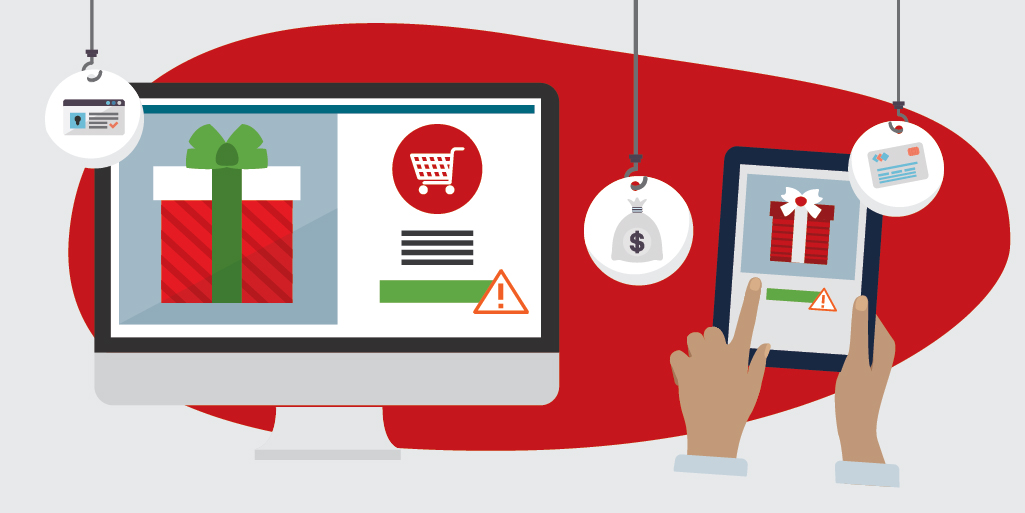
Holidays are a joyous, busy time of year! Unfortunately, this is also a time when hackers and scammers ramp up their attempts to steal away some of that joy. Here’s a checklist to help you stay in the holiday spirit.
Privacy Tips
- Turn off your location on photos.
- Review your privacy settings on your social media accounts.
- Post pictures after everyone is back home to prevent others from knowing their house is empty.
- Photo op! Holiday pictures – everyone is finally together, and holidays have always been a time for lots of photos. If you have new members in your group, please be cognizant of others privacy and ask before posting any photos online. For example, pictures of foster children are generally not allowed to be posted on social media as this puts them at risk. Are you attending school/church functions and taking pictures of your children? Before posting, please crop out other children you do not have permission to post.
Security Tips
- Run updates on your device.
- Enter URLs directly in your browser; don’t click on links from ads. You can also use vendor-approved apps.
- Credit cards offer stronger fraud protection than debit cards.
- Use a strong 15-character passphrases and MFA.
- Use your browser’s private or incognito mode for online shopping, as it won’t save browsing history or cookies.
- Confirm the website is using https: instead of http:
- Social media ads: Promotions, contests, deals for completing a survey, etc., are scams to collect your data. Be cautious.
- Gift card scam: If you receive a request to process a gift card, please check with the requestor directly to ensure the request is legitimate.
- Look out for delivery scam texts to update delivery times and request additional fees. Clicking on these links may infect your device with malware that can capture passwords or take control of your device. The links may direct you to a form that requests personally identifiable information which can lead to identity theft. Always go to the shipper’s website for delivery updates.
- Received a missed delivery note? These typically have a phone number for you to call, and they ask for personal information to confirm your identity. Please go to the original source to ask for updates.
- It is also the season for giving and charitable scams are prevalent. Research your charity and review with sites such as CharityWatch and the Better Business Bureau.
- Too good to be true: Looking for that must have gift? So are scammers. Beware as the hot items are targets for scammers. Go directly to the source.
- Pay with PayPal, Venmo or credit card. Asking for gift cards, cryptocurrency or a wire transfer is a red flag that the transaction could be a scam.
- Don’t fall for the “refund and recovery scam.” Fraudsters target previous online scam victims with the promise of helping them recover money, assets or access to online accounts. Read about refund scams.
- Remember your organization’s AUP policy when using your organization’s email. Personal email should be used for online shopping, personal communication, etc. Using your work email for personal use opens the door for your district to be compromised.
- Fraudulent seasonal job offers: Scammers prey on people wanting to make extra cash in a short amount of time.
- Be cautious if you are hired with little to no process.
- Beware of any job that requests your personal information right away, such as your social security number, bank account name, bank account number or tax information.
- Traveling tips:
- Disable auto-connect: Manually connect to wi-fi networks rather than allowing devices to auto connect to open networks.
- Use a VPN when sending sensitive information.
- Disable Bluetooth and other wireless features when not in use to prevent unauthorized connections.
- Avoid shared public hotel computers.
- Airline Updates – Use the approved app to verify status updates via text.
- Skimming Devices – Check for card-skimming devices that may be attached to an ATM or card reader. Paying with cash or tap-to-pay card or digital wall are more secure. How to Spot and Avoid Credit Card Skimmers