
This summer, MOREnet hosted Missouri’s first Quantum for Computer Science, Math, and Physics Teachers and Students Program (QCaMP). The week brought Missouri educators together for hands-on learning, thoughtful conversations, and the opportunity to learn from quantum computing experts from around the nation.
From June 22 through June 26, educators representing 13 Missouri school districts spent 30 hours building their understanding of quantum computing and considering how these concepts could be introduced to students.
Quantum computing can feel intimidating at first, especially for educators who have never had an opportunity to study it. QCaMP gave participants the time and support to work through each concept together. Throughout the week, they learned from 10 expert speakers and explored topics such as superposition, entanglement, quantum measurement, and quantum key distribution.
Some of the best moments happened when teachers began asking questions. The experts took their time answering, explaining concepts in different ways until the group reached those rewarding “aha” moments. As the Missouri cohort facilitator, those conversations were one of my favorite parts of the week. The teachers were curious and comfortable asking for clarification when they needed it. They also supported one another as they worked through ideas that were new to many of them.
Turning Quantum Computing into Classroom Learning
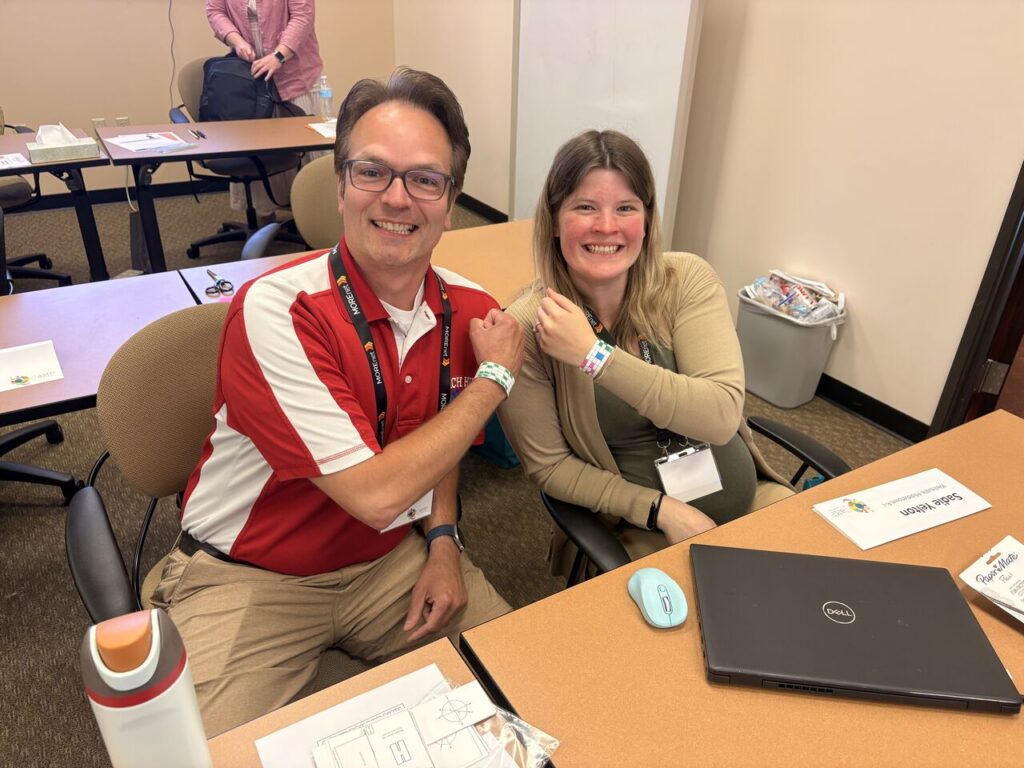
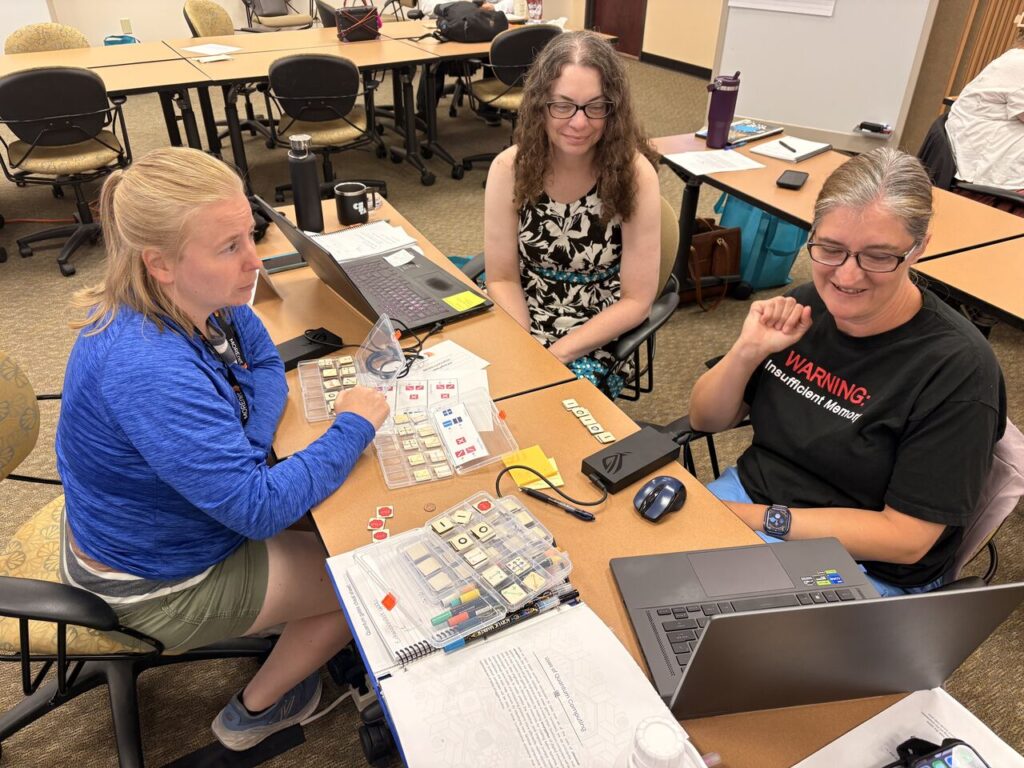
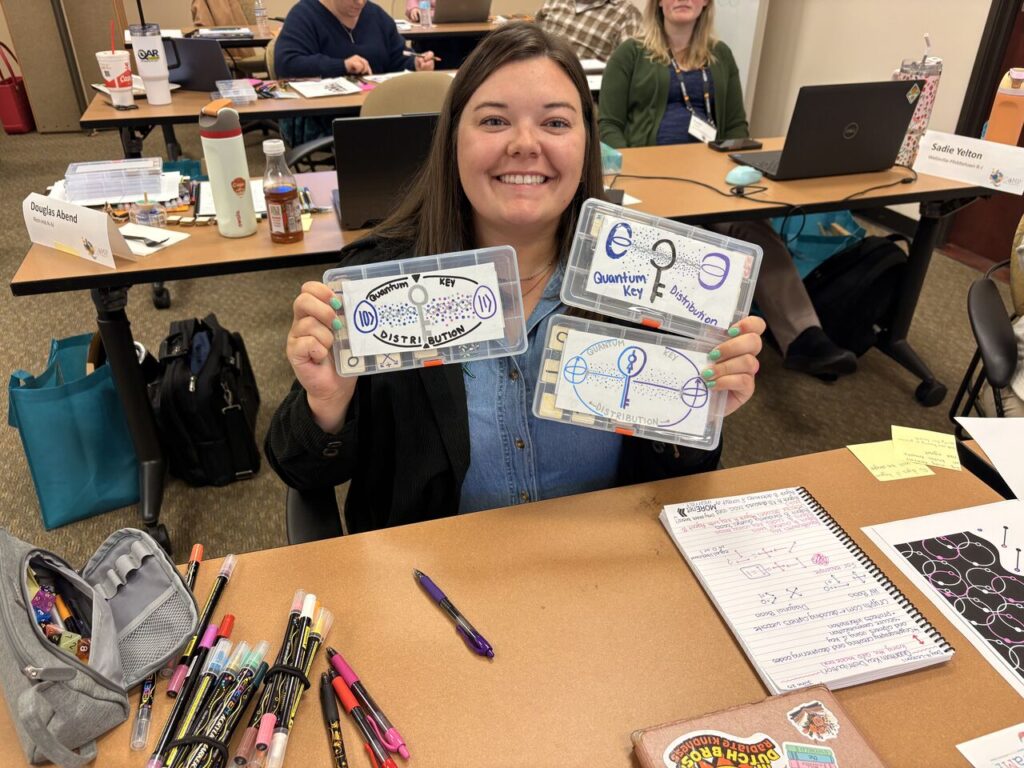
Participants did much more than listen to presentations. They jumped into activities such as Entanglement Tiq Taq Toe, a Quantum Key Distribution Encryption Game, and Qubit Touchdown. The educators first experienced each activity as learners. Then, they looked at it through the eyes of a teacher. They discussed how students might approach the activity, where students could become confused, and what changes might make the learning clearer. Their feedback added an important classroom perspective to the week. Teachers were not only learning how to lead the activities. They were thinking carefully about how to make abstract quantum computing concepts understandable and engaging for students.
For many participants, the goal was not to become a quantum computing expert in one week. It was to leave with a stronger understanding of the subject, practical activities to use with students, and the confidence to continue learning.
Seeing Advanced Computing in Missouri
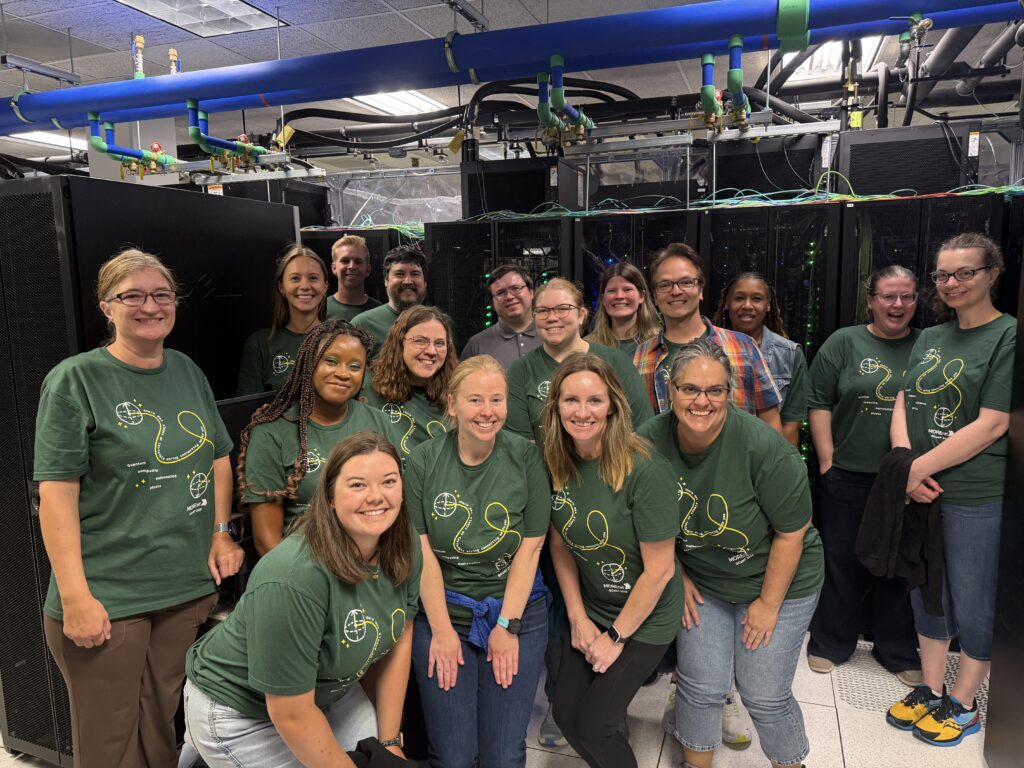
The week concluded with a field trip to the University of Missouri. Participants visited the university’s high-performance computing data center and the NextGen Precision Health building. The field trip allowed educators to see advanced computing and research happening here in Missouri. It also helped connect the week’s learning to the types of opportunities their students may encounter in the future. The cohort even arrived in matching QCaMP shirts, bringing plenty of personality and group spirit to the final day.
Growing Quantum Computing Education in Missouri
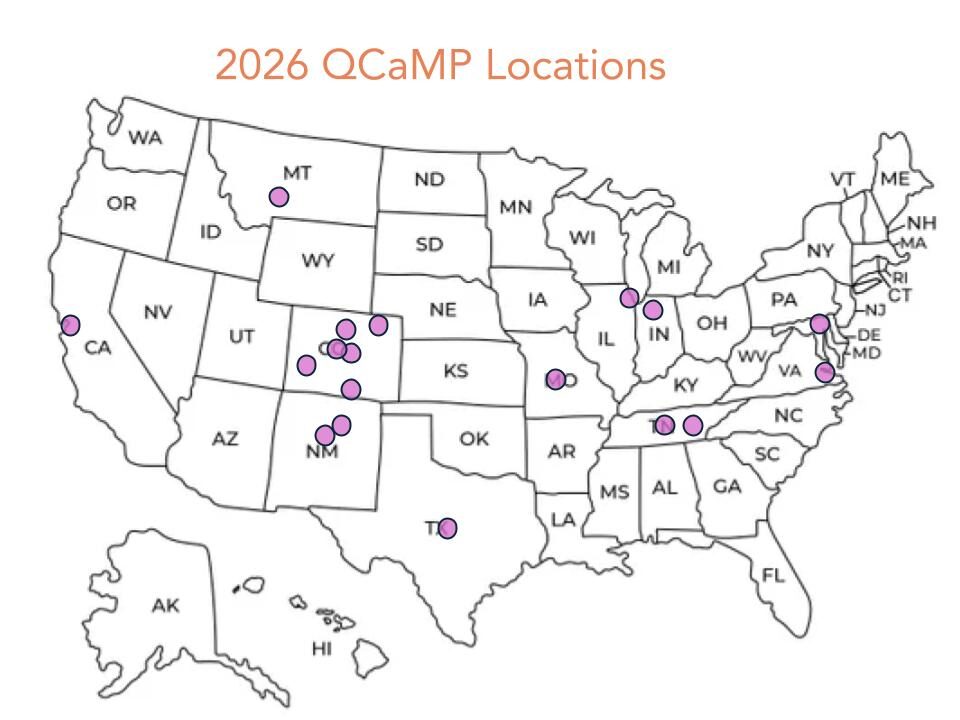
Fourteen Missouri educators completed the full professional development experience, representing 13 school districts. Missouri’s cohort was part of a national QCaMP program that reached 130 teachers through 18 cohorts across 11 states. QCaMP is co-founded by Quantum Systems Accelerator, Sandia National Laboratories, and Berkeley Labs.
Hosting Missouri’s first QCaMP created dedicated time for educators to learn about a field that is beginning to influence computing, research, and the workforce. It also gave teachers the chance to share their classroom knowledge and help strengthen the activities that will introduce these concepts to students. The work will continue as participants adapt what they learned, use the activities with students, and share new ideas with their colleagues.
QCaMP 2026 was Missouri’s first cohort, and we hope it will be the first of many. MOREnet looks forward to continuing this work and creating more opportunities for Missouri educators to learn about quantum computing.
Educators interested in participating in a future QCaMP should watch for information about the 2027 program. No previous quantum computing experience is required. All you need is curiosity, a willingness to participate, and an interest in bringing something new to your students.